
Retail’s Multi-Billion Dollar Blindspot—and How to Fix It
Retailers today are drowning in data—but starving for insight.
Every executive I speak to wants the same thing: measurable, operational impact from automation. But too many are still chasing pilots, debating hardware, or evaluating technologies in silos—rather than building the integrated, intelligent infrastructure needed to win.
The truth is simple: automation only works when it’s grounded in clean data, scaled across the enterprise, and designed for visibility inside the store—retail’s most persistent blindspot.
Here’s what separates experimentation from transformation—and where the most forward-looking retailers are reversing annual 4.5% revenue loss due to (and beyond).
The Three Foundations of Transformational Retail Automation
1. Data Quality: From Noise to Strategy
Most automation platforms weren’t built for decision-making—they were built for dashboards. And that’s a problem.
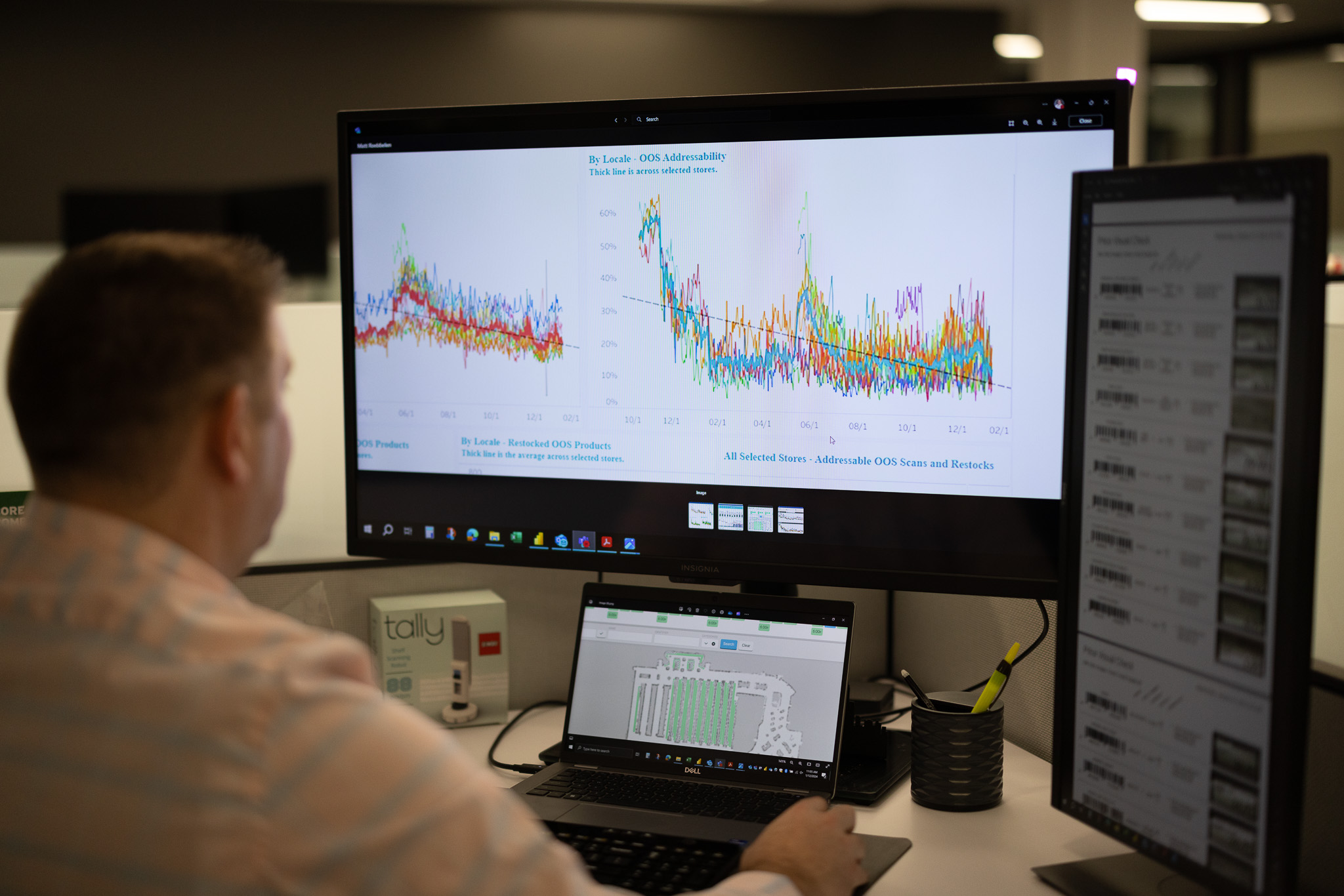
Low-quality data undermines inventory accuracy, inflates labor costs, and erodes customer trust. Choosing a partner with robust data standards—who can turn messy, fragmented signals into clean, actionable insight—is the difference between a system that informs strategy and one that adds noise.
The best systems don’t just capture data. They build intelligence into your operating model and create excellent, self-learning workflows.
2. Scalability: Stop Piloting, Start Building
Automation must evolve beyond a single use case.
One national retailer we work with began with shelf availability tracking. Within months, they expanded to auto-replenishment, merchandising compliance, and enhanced vendor collaboration—scaling from a 3-5X return to a 15-20X long-term ROI.
True scalability isn’t just tech. It’s architecture + alignment. You need systems built for interoperability, and teams organized for continuous rollout.
3. Store Coverage: Solving Retail’s Final Frontier
The shelf is the most strategic—and least visible—part of the retail enterprise.
While supply chain and e-commerce have become data-rich, the store interior remains a data desert, costing retailers billions annually in missed sales, inefficient labor, and out-of-sync operations.
With persistent, automated visibility—think real-time shelf intelligence—retailers are transforming the store floor from a liability into a competitive advantage.
From Insight to Impact: What Retailers Are Discovering
The most powerful “aha moments” we see don’t just tweak KPIs. They redefine how retailers operate.
“66% of what we thought was out-of-stock… wasn’t.”
A major grocer discovered that most “missing” items were misplaced in-store. That single insight dramatically improved e-commerce fulfillment and reduced substitutions.
“Fulfillment speed increased by 50%.”
With precise item-location data, stores introduced optimized picking paths—what one exec called “Google Maps for associates.”
“Our oversight scaled from 4 stores a day to 40.”
Merchandising leaders now review entire chains remotely—10Xing visibility and accelerating in-store strategy from weeks to hours.
“Our staff is 90% happier.”
With automation handling tedious checks, store teams regained 25–50 hours per week to focus on customers—improving morale, service, and sales.
Integration, Not Sensor Debates
Retailers often fixate on the “right” sensor—robot vs. camera, mobile vs. fixed. But the real unlock is orchestration.
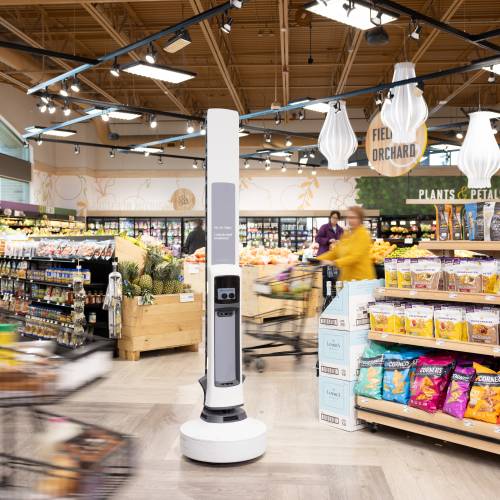
Mobile robots offer unmatched accuracy and cost-efficiency. Fixed cameras excel in high-theft or high-velocity zones. Combined, they deliver the kind of continuous, multi-layered visibility retailers need to make confident decisions every day.
It’s not about the hardware. It’s about building an intelligent, integrated ecosystem.
Execution Is Culture
The best tech will fail without operational alignment.
The most successful deployments share three common traits:
- Representative Pilots – Diverse store formats, traffic patterns, and geographies from the start.
- Relentless Focus on Impact Metrics – Measured not in vanity KPIs, but in hours saved, revenue unlocked, or shrink reduced.
- Early and Authentic Store Engagement – As one store leader told me: “This isn’t replacing us. It’s helping us finally do what we’ve always wanted—serve better.”
The Retail Opportunity Ahead
The automation conversation has changed. It’s no longer if these technologies deliver value. It’s how fast you can implement them—and how far you’re willing to go.
The next generation of retail leaders won’t be those who experiment the most. It will be those who build coherent, scalable systems that bridge the gap between corporate strategy and store execution. Between real-time insight and decisive action.
Because in the end, this isn’t just about automation.
It’s about giving retail teams the tools, intelligence, and confidence to deliver on every promise—to shoppers, partners, shareholders, and themselves.
Caitlin Allen is the SVP of Marketing at Simbe, where she drives brand, communications, and commercial strategy. With 20 years of experience scaling market-defining technologies from startup to IPO, she excels at turning complex innovation into strategic advantage. At Simbe, she’s helping the world’s top retailers transform store operations through AI, automation, and data—delivering visibility, performance, and growth at scale.