
Jeffrey Rightnowar is the Director of Retail Strategy at Simbe
In retail, empty shelves can be more than just an eyesore. To shoppers, they signal that a favorite product is gone, prompting substitutions, frustration, or a trip to another store to find that item elsewhere. In response, many retail and brand partner teams turn to a common workaround: plugging and spreading. This involves filling empty shelf space with nearby products to maintain a full appearance.
While it may feel like a necessary short-term fix, this practice often creates more problems than it solves. From inventory blind spots to missed sales, the hidden costs can add up fast. Below, we break down 8 ways plugs and spreads negatively impact your business and what’s needed to manage shelf gaps more strategically.
What Are Plugs & Spreads
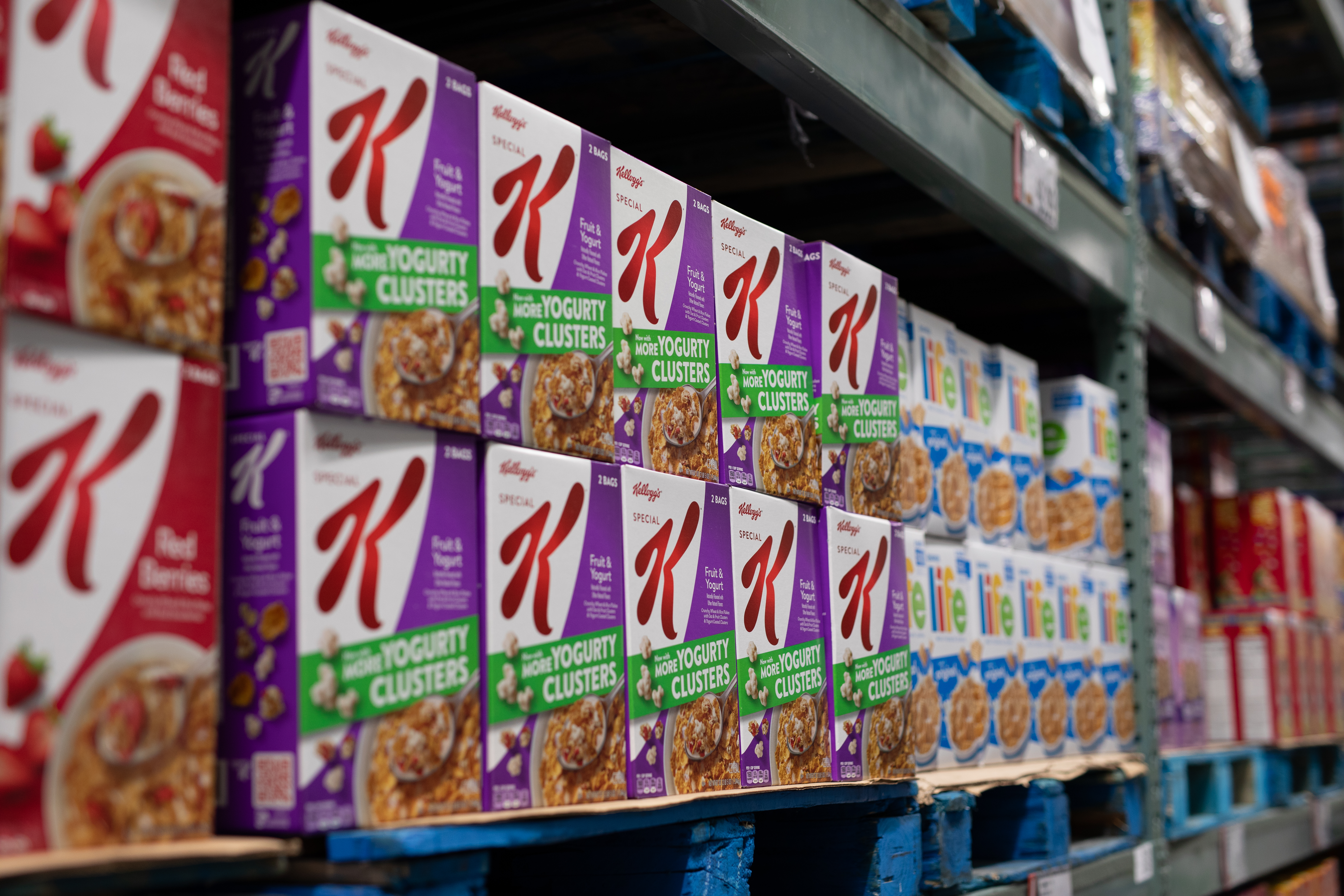
Plugs and spreads—also known as face-overs, facing, fronting, or blocking—refer to the practice of filling empty shelf space by moving nearby products into the gaps. This might mean spreading a product out across more facings than originally intended or plugging a different item into the empty spot altogether.
It’s a visual band-aid. The shelf looks full, the aisle appears neat, and on the surface, all seems well. But beneath that tidy display, major problems can exist.
1. Disrupted Replenishment
Automated systems often rely on shelf scans or manual checks to trigger reorders. If a product’s shelf space is filled with another product, it may not register as out of stock. That means no reorder gets placed, so the item stays off the floor longer than it should.
Bottom line: You're delaying sales and disappointing shoppers.
2. Inaccurate Stock Visibility
When shelves don't reflect actual inventory, store teams lose their ability to quickly and accurately assess what needs restocking from the backroom. It becomes guesswork and that means more trips, more missed picks, and more inefficiency.
3. Increased Labor Costs
Plugging and spreading pulls staff away from higher-value tasks especially when shelves are being rearranged repeatedly throughout the day. On top of that, extra time is required to untangle inventory confusion during audits or replenishment.
Every minute spent fixing spreads is a minute not spent helping shoppers.
4. Planogram Noncompliance
Plugs and spreads can quickly throw off carefully planned assortments. Even if shelves start aligned to the planogram, filling gaps with nearby items disrupts product flow, adjacencies, and visibility. For merchandising teams, this undermines strategies like brand blocking, feature placement, and promotional priorities causing top SKUs to be hidden, slower sellers to take up key real estate, and valuable insights on shopper behavior to be lost or distorted.
5. Shopper Frustration & Lost Sales
Spreads may make shelves appear full, but they create confusion for shoppers. When products aren’t where they’re expected or price tags don’t match the items above them, it becomes harder to tell if something is out-of-stock or discontinued. Instead of seeing a clear gap and moving on, shoppers are left scanning mislabeled shelves, which increases frustration and can lead to them leaving the store to find the item elsewhere.
6. Price Discrepancies
Plugging a product into a space with the wrong price tag is a recipe for confusion at checkout. This not only erodes shopper trust, it can also lead to lost margin, penalties, or compliance issues depending on local pricing laws.
7. Skewed Merchandising Data
When products are spread beyond their planned allocation, sales data becomes distorted. It’s hard to tell whether performance gains are real or just the result of extra shelf space, and that can lead to poor decisions in promotions, ordering, and category management.
8. Brand & Vendor Relationship Strain
Spreads disrupt brand blocking and paid shelf placement, creating tension with suppliers. If a brand is paying for prominent positioning, but gets bumped due to spreading, that’s a contractual and relationship risk.
How to Handle Empty Shelf Space the Right Way
We get it, the desire to max out shelf space is a long-held tenet in retail. It’s not always productive to leave shelves empty, especially when you're trying to make the most of available space. But if you’re going to do it, do it the right way:
- Use real-time shelf data to make intentional, trackable decisions based on actual stock conditions, not guesswork.
- Handle shelf tag changes with care. Ensure proper processes or systems are in place to keep track of temporary or long-term adjustments, and maintain alignment with planograms and pricing files. Unaccounted for tags can cause items to fall off the radar, resulting in missed reorders and products that quietly disappear until the next reset.
- Reset shelves as soon as inventory is back in stock. Don’t let temporary fixes become permanent. Restoring the intended layout ensures your assortment strategy, vendor commitments, and shopper experience stay intact.
This is where technology can help.
Smarter Spreads Start with Smarter Shelf Digitization
A modern shelf intelligence solution can help you see what’s really happening on the shelf regardless of how it looks. That means:
- Detecting mismatches between price tags and products
- Alerting teams when inventory is back in stock and shelves need to be reset
- Providing a true view of what’s available to shoppers right now
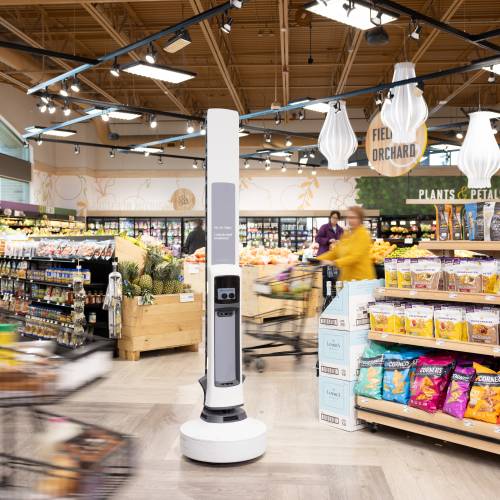
Simbe’s Store Intelligence™ platform does exactly this. It captures detailed shelf data across your store, automatically identifying planogram discrepancies, out-of-stocks, and pricing issues. Beyond detection, Simbe helps teams take action—starting with a Plugs & Spreads Analysis that pinpoints every misplaced item in each aisle, giving store teams a clear path to correct shelf issues and restock faster.
“Because Tally alerts us each time there is a low-stock item or misplaced product on shelves, our retail teams are able to better focus on customers and the guest experience. “
Michael Schoendorf, VP of Operations, SRS - ShopRite
Because in today’s competitive grocery landscape, you can’t afford to manage shelves by appearance alone.
Contact us today to learn more about how leading retailers are using shelf intelligence to manage gaps more strategically.