The FMI Midwinter Executive Conference is one of the food industry’s most anticipated events, bringing together top executives, retailers, suppliers, and innovators to discuss the latest trends shaping grocery retail and the broader food supply chain. Held from January 30 to February 2, 2025, in Marco Island, Florida, this year’s conference delivered compelling insights into technology, sustainability, leadership, and collaboration—all critical factors driving the future of food retail.
From groundbreaking discussions on AI and automation to new sustainability efforts, the event provided a roadmap for navigating an increasingly complex and competitive marketplace. Here are some of the biggest takeaways:
1. Chef José Andrés on the Power of Connected Retail
One of the most inspiring moments of the conference was the keynote conversation between Chef José Andrés and FMI President & CEO Leslie G. Sarasin. Known for his humanitarian work with World Central Kitchen, Andrés emphasized the shared mission between grocers, food suppliers, and nonprofits: ensuring that safe, nutritious food is accessible to all.
Key themes from his talk included:
- The role of food retailers in building resilient communities, especially during times of crisis.
- How food security and innovation go hand in hand, particularly in leveraging logistics and technology to reduce food waste and improve distribution.
- A call for stronger collaboration between private and public sectors to address food insecurity on a larger scale.
This discussion set the tone for the conference, reinforcing how food businesses have the power to drive meaningful change beyond profit. The conversation also underscored a critical industry need: developing a more connected retail ecosystem with standardized measurement frameworks. By establishing a single source of truth and common standards for measuring impact, retailers can better track their progress, identify opportunities for collaboration, and demonstrate their contributions to food security and community resilience.
2. The Rise of AI and Tech-Driven Retail
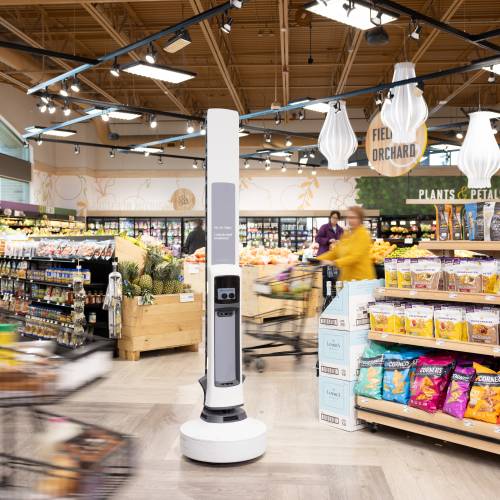
As expected, technology was a dominant theme at FMI Midwinter 2025, with AI and automation emerging as game-changers in grocery retail. A session titled "Generative AI - Reinventing Work & Experiences in Retail & Consumer Goods" explored how AI is transforming inventory management, customer service, and supply chain efficiencies.
Some of the key AI-driven innovations discussed included:
- AI-powered pricing and promotions that help grocers optimize discounts in real time.
- Automated checkout solutions that streamline the in-store shopping experience.
- Generative AI tools that assist in personalized marketing, recipe suggestions, and customer interactions.
Additionally, RFID technology was a major topic, with a dedicated session exploring how radio-frequency identification (RFID) is revolutionizing inventory accuracy. By reducing out-of-stock issues and improving loss prevention, RFID is helping retailers enhance supply chain efficiency and profitability.
Accenture’s Karen Fang Grant highlighted the massive influence of Gen Alpha on retail’s topline, per Accenture research. As the largest and first generation never to know a world without the iPhone, their expectations shape the future of shopping.
The takeaway? While AI and automation are no longer optional in food retail, success requires more than just implementing individual smart solutions. The future lies in multimodal systems that can seamlessly integrate different data points from these devices in order to understand the full picture.
3. Sustainability and Food Waste Reduction Take Center Stage
Sustainability is no longer just an option for food retailers—it’s a necessity. A standout session led by Nicholas Bertram, CEO of Flashfood, focused on innovative strategies to reduce food waste while increasing profitability.
- Some of the top insights from this session included:
- Retailers can significantly cut food waste by leveraging technology to identify and discount surplus fresh food before it expires.
- More grocery chains are partnering with food rescue organizations to divert unsold food to people in need rather than sending it to landfills.
- Consumers are increasingly demanding sustainable shopping options, including eco-friendly packaging and locally sourced products.
This discussion reinforced the growing expectation that grocery stores must lead the way in sustainability efforts, not only for regulatory compliance but also to meet evolving consumer values.
4. Leadership and Adaptability in a Changing Industry
In a rapidly evolving retail landscape, strong leadership and adaptability are more critical than ever. Spencer Baird, CEO of Inmar Intelligence, delivered a compelling session on how leaders can future-proof their organizations by embracing data-driven decision-making and digital transformation.
Key insights from this session included:
- The importance of agility in responding to market shifts, whether due to inflation, supply chain disruptions, or changing consumer behaviors.
- How data analytics can drive smarter business decisions, from optimizing supply chains to personalizing customer engagement.
- The need for cross-functional leadership, where executives break down silos and integrate operations, marketing, and technology strategies seamlessly.
Baird’s message was clear: food retailers that embrace innovation and adaptability will thrive, while those resistant to change may struggle to keep up. As Deborah Weinswig, CEO of Coresight Research said, generative AI belongs to the CEO.
5. Strengthening Industry Collaboration and Partnerships
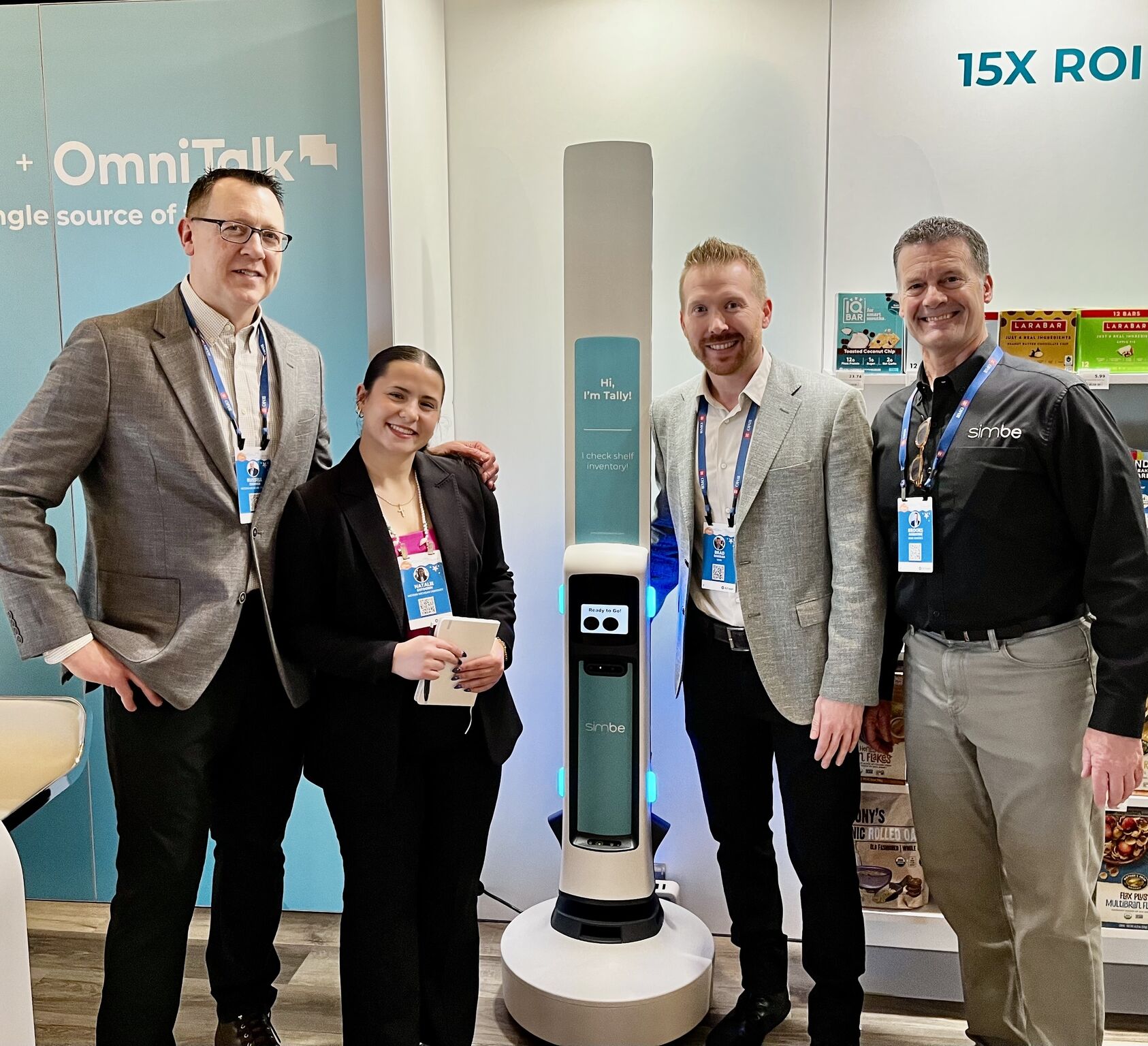
One of the core pillars of FMI Midwinter is fostering industry collaboration, and this year’s event provided ample networking opportunities through Strategic Executive Exchanges (SEEs) and the FMItech Exchange.
These sessions allowed top industry leaders to:
- Forge new business partnerships and explore opportunities for collaboration.
- Discuss shared challenges such as labor shortages, inflation, and e-commerce expansion.
- Engage with cutting-edge technology vendors showcasing solutions for streamlining grocery operations.
The message from these sessions was clear: collaboration is key to navigating industry challenges and driving meaningful progress. By working together, retailers and suppliers can create more efficient, customer-focused, and sustainable food systems.
Kathryn Mazza emphasized closed-loop validation in retail media, underscoring why Hy-Vee, Inc.’s decision to put a retail media expert in the CMO seat is so intelligent. She also spoke to the value of strategic relationships between retailers and suppliers, noting: “The ability to have honest, strategic conversations is like no other.”
Final Thoughts: The Future of Food Retail Is Here
FMI Midwinter 2025 underscored a crucial truth: the food retail industry is at a pivotal moment of transformation.
- AI, automation, and data-driven decision-making will be game-changers.
- Sustainability and food waste reduction must remain top priorities.
- Adaptive leadership and strategic partnerships will determine who thrives in the evolving market.
As food retailers and suppliers look ahead, the insights from FMI Midwinter provide a blueprint for success—one that prioritizes innovation, customer engagement, and responsible business practices.The future belongs to those who embrace change, invest in technology, and put purpose alongside profit.